
What We Already Knew: Self-Determination Theory and The Trade
At The Trade, our approach to education is simple and intuitive; to most people we talk to, it just makes sense. As research has begun to catch up with common sense, however, our methods of preparing young people for adulthood are also backed by science!
For more than 40 years, our 2000-acre campus has been a destination for young people in need of mentorship, learning experiences, and a sense of personal agency. In other words, we have been providing experiences that foster relatedness, competence, and autonomy for decades.
These educational values are nothing new. In fact, they are ancient. But only recently have these approaches been formally studied as a consolidated theory of human development, namely: self-determination theory.
Today self-determination theory is one of the most well-researched theories of motivation, and it’s generated plenty of evidence for what we already knew. People need to do their work and learning in the context of relationship for it to be most effective.
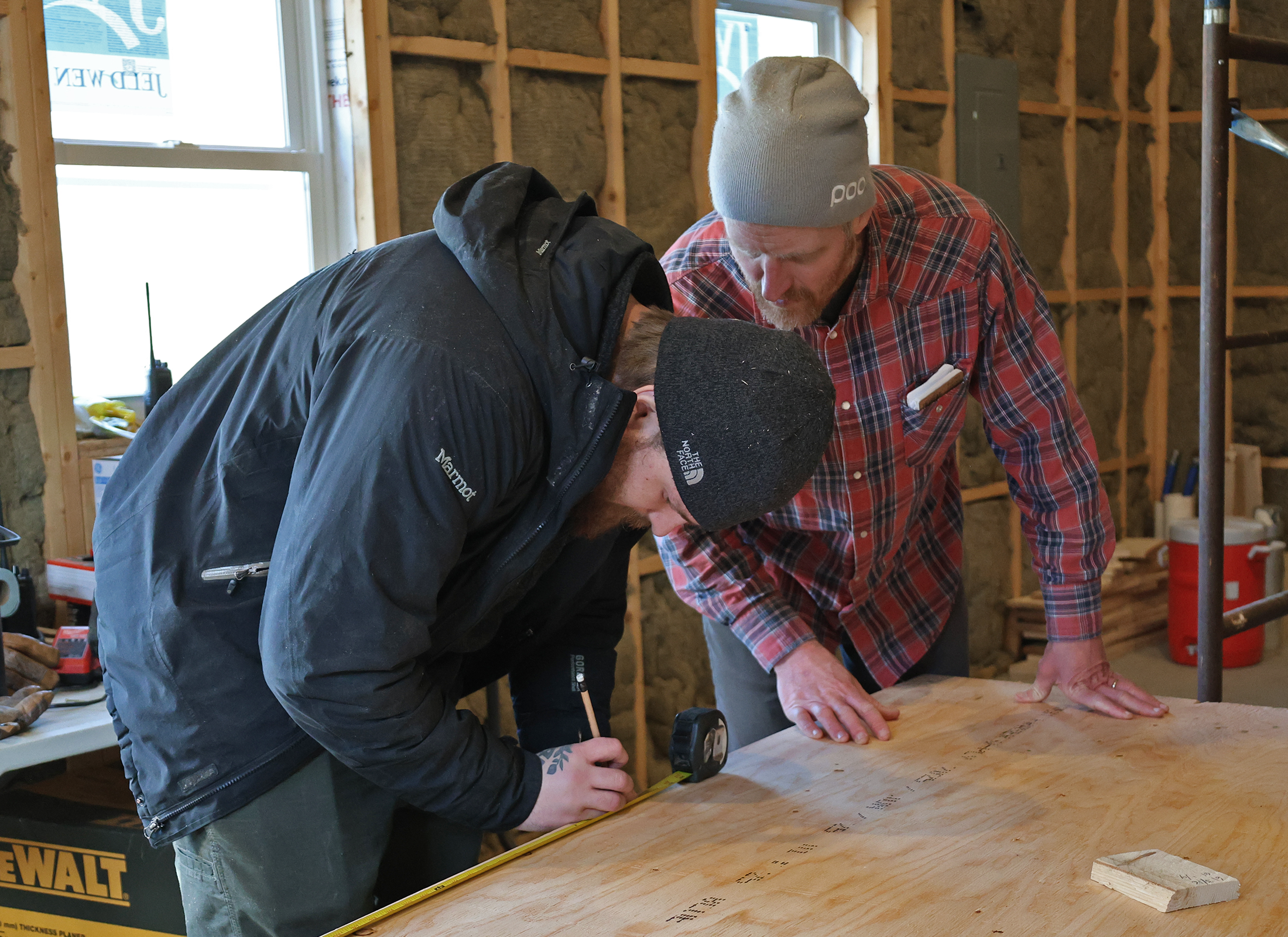
The relationship part is natural here at The Trade. Apprentices live in community from Day One and every day, they work closely with their peers and mentors to complete work all over The Mountain. Every week, they cook together, participate in group check-ins, and spend time in leisure activities like board games or biking.
What about the autonomy part of self-determination theory? We view this as embracing differences. Our apprentices approach the same common tasks in different ways, and they need freedom and latitude to thrive.
At The Trade, this means that we encourage apprentices to learn their own approach to work and find out which tasks they do best. We’re doing many of the same jobs together, but we’re more likely to be engaged when we can decide how we do the work and which work we prefer.
Finally, there’s competence. By focusing on the trades, we’re presenting work that’s tangible and can be mastered. Once you learn how to swing a hammer, for example, it’s satisfying to quickly drive nails on a job site.
From there, you might progress to learning how to build a box, a ladder, or a house. The trades lend themselves to rapid and sequential competence building. The confidence you gain when you develop mastery of simple skills is a very powerful motivator.
Whether our apprentices pursue work in the trades for the rest of their lives or not, reaching that level of skill—and having it be personalized to your preferences and aptitude—makes it easier to learn and build for the future.
In the end, we’re taking concepts that everyone knows intuitively and turning them into a new kind of young adult program. It’s common sense, research-backed, and life-changing.
