
The Trade Professional Portfolio: Documenting Hard Work For The Next Step
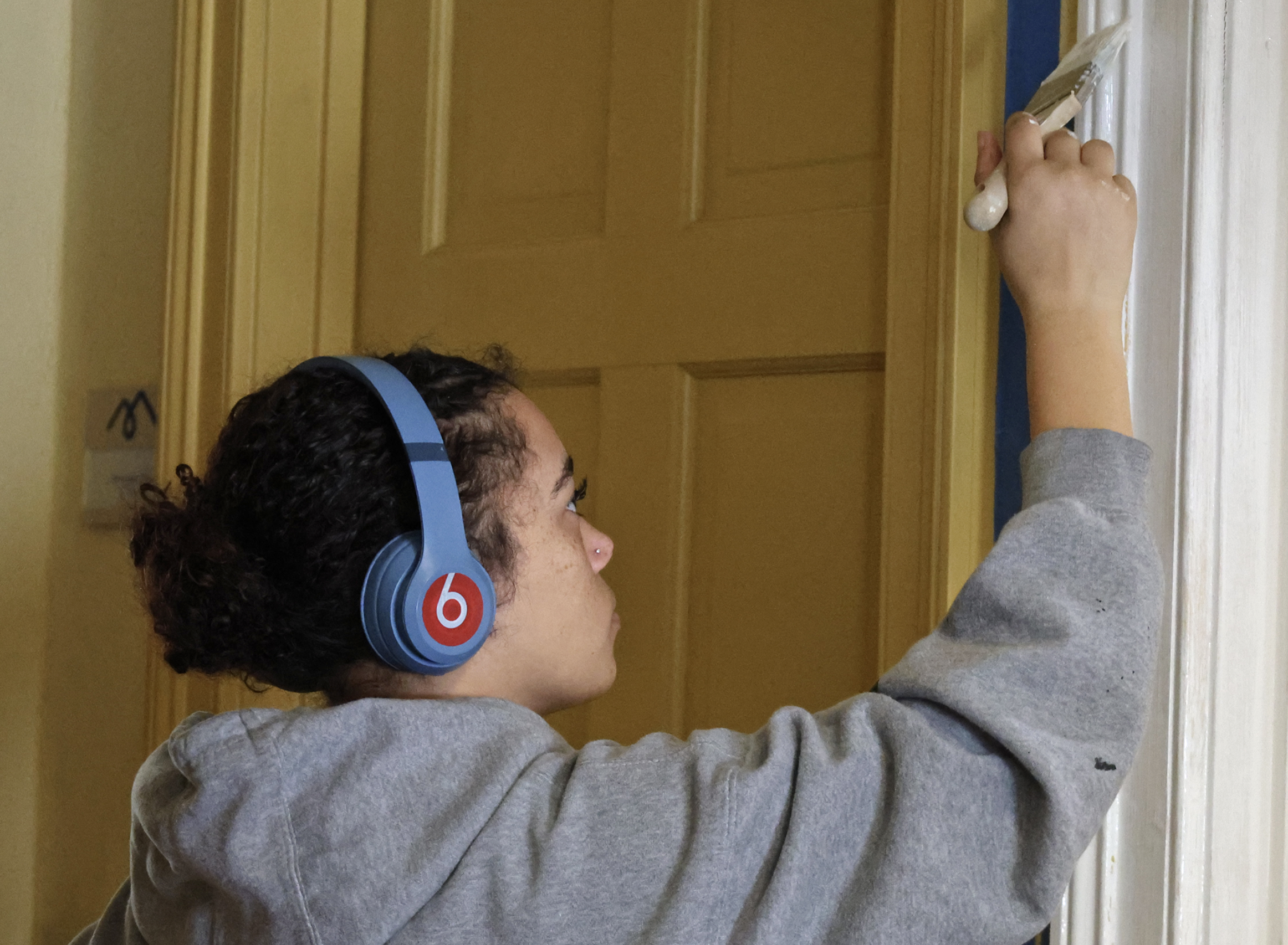
At The Trade, we are committed to helping every young adult we serve move toward the highest level of independence they can achieve. For some apprentices, that independence leads directly to employment in the trades. For others, it may mean continuing their education, pursuing a new career path, or simply stepping into adult life with a level of confidence and direction they have never experienced before.
No matter the path, our goal is the same: when an apprentice leaves The Trade, they leave prepared to take the next step with purpose, skill, and a clear sense of responsibility for their life.
One of the most important tools we use to help apprentices build this bridge into the future is the Professional Portfolio.
Learning and Documenting From Day One
From their first day at The Trade, apprentices begin full-time, paid, hands-on work alongside experienced tradespeople and mentors. They learn by doing real jobs that matter — building, repairing, maintaining, cooking, managing land, and contributing to the daily operation of The Mountain.
At the same time, apprentices work with life-skills mentors to begin building a professional portfolio. This portfolio becomes a detailed record of everything they accomplish during their time at The Trade. It goes far beyond a traditional resume and allows apprentices to clearly show future employers, training programs, or colleges what they have learned and what they are capable of doing.
The portfolio is not something created at the end of the program. It develops throughout the entire experience, giving apprentices the opportunity to reflect on their growth and take ownership of their progress.
What We Include in the Professional Portfolio
Each apprentice’s portfolio includes several required elements, along with optional additions that allow them to highlight their strengths and interests.
Required elements include:
An updated professional resume
Copies of vocational certifications earned during the program
A sample cover letter related to the apprentice’s career interests
Beyond these basics, apprentices may choose to add additional materials that strengthen their readiness for life after The Trade. These can include letters of recommendation from mentors and vocational supervisors, written by experienced tradespeople who have worked side-by-side with the apprentice throughout the year. These letters carry real weight because they come from professionals who have seen the apprentice show up, work hard, and develop skills over time.
Many apprentices also keep a detailed work log that tracks the number of hours spent in each vocational area. This allows them to demonstrate real experience — not just interest, but time on the job. Being able to show hundreds of hours of carpentry, land management, culinary work, or mechanical work gives apprentices a level of credibility that most young adults their age do not yet have.
The Master Project: A Capstone Experience
For apprentices in the later stages of the program, there is also the option of completing a Master Project.
The Master Project is a vocational capstone experience that allows an apprentice to design and carry out a meaningful project from start to finish. This process requires planning, problem solving, time management, and the ability to follow through on a long-term goal. Projects often take several months to complete and must be approved in advance.
At the core of every Master Project is the idea of contributing something of value to The Mountain or to the local community. Whether building a structure, improving the land, or completing a technical project, the apprentice demonstrates not only skill, but responsibility and ownership.
This experience often becomes one of the most powerful confidence-builders of the entire year.
Showcasing Work for Life After The Trade
The year at The Trade is about more than learning how to work with your hands. It is about learning how to live as an adult: showing up every day, being part of a team, solving problems, and taking pride in what you accomplish.
When apprentices leave, we want them to carry more than memories. We want them to leave with practical tools that help them move forward. The professional portfolio is one of those tools. It gives apprentices a living document of hard work that they can bring into job interviews, training programs, or college admissions meetings. It shows what they have done, what they have learned, and who they have become.
Most importantly, it reflects a year spent building competence, responsibility, and direction.
